wooden keychains handmade
Are wooden keychains handmade? This question often comes up when people admire the detailed craftsmanship, smooth finishes, and artistic designs commonly found in wooden accessories. The short answer is that many wooden keychains are indeed handmade, but not all of them. The world of wooden crafts includes both mass-produced items created using automated machinery and handcrafted pieces shaped and polished by artisans. Understanding the difference allows buyers to appreciate the value behind each piece and make informed decisions when purchasing. Wooden accessories are not just tools for holding keys; they can be expressive gifts, unique souvenirs, and memorable keepsakes.
A large portion of wooden keychains on the market today are handmade because wood as a material is traditionally worked through manual crafting techniques. Skilled artisans carve, sand, polish, and sometimes hand-paint each piece. Handmade keychains often come from small woodcraft businesses, home-based workshops, or cultural artisan communities. Every detail—from selecting the type of wood to shaping the design and applying finishes—is done with care. This type of craftsmanship gives each keychain individuality and warmth that machines cannot easily reproduce. The slight variations in shape, tone, and texture make every piece unique and add to its sentimental value.
However, not all wooden keychains are handmade. With modern technology, many companies use CNC and laser cutting machines to mass-produce keychains efficiently. These tools automatically cut and engrave wood in consistent shapes and patterns, making it possible to produce large quantities for commercial sales. Machine-made products are usually available at lower prices and often cater to customers who prioritize affordability and quick delivery over artistic originality. While these pieces may lack the tactile charm of handmade items, they still provide neat designs and durable quality.
Custom orders are one of the biggest identifiers of handmade craftsmanship. Many people like buying wooden keychains as personalized gifts for birthdays, anniversaries, weddings, and special occasions. Handmade artisans allow customers to choose engravings, shapes, names, symbols, and even handwritten messages or artwork. An artisan might take a customer’s drawing or a short phrase and carve or engrave it into wood. Because these keychains are made to order rather than mass-produced, they hold deeper emotional meaning. They become more than just accessories; they become moments preserved in tangible form.
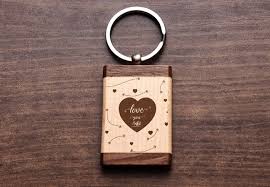
Are wooden keychains handmade?
Cultural craft traditions also play a big role in the creation of handmade wooden keychains. In many regions, wood carving is an important part of heritage and artistic identity. These wooden keychains often display tribal patterns, mythological symbols, nature-inspired designs, and meaningful shapes. Each piece may represent a story, belief, or historical reference. Travelers visiting new places often love purchasing handmade wooden crafts because they capture cultural significance and support local artisans. Buying directly from artisans helps sustain traditional skills that have been passed down through generations.
The tools and materials used are another distinction between handmade and machine-made work. Artisans work with chisels, carving knives, sanding blocks, wood-burning pens, and natural finishing oils, allowing them to shape and refine the wood through hands-on control. This process requires patience and skill, contributing to the character and soul of the final piece. Machine-made products, on the other hand, are typically processed quickly with industrial tools where human involvement is limited to design and programming rather than hand shaping.
The finishing method also affects whether wooden keychains are handmade. Handmade pieces frequently use natural oils, beeswax, or organic varnishes that bring out the grain and protect the surface while maintaining a natural touch. Handmade finishes tend to feel soft and warm in the hand, reflecting the characteristics of the wood. Machine-coated keychains sometimes have glossy synthetic layers, providing strong protection but reducing the natural feel of the wood. Both types can be durable, but handmade finishes often age more gracefully and develop richer tones over time.
Price can also hint at whether a keychain is handcrafted, though it is not a guaranteed indicator. Handmade wooden keychains tend to cost more because time, effort, and creativity go into crafting each piece. The price reflects not just the material but the labor and artistry behind it. Machine-made keychains are usually priced lower due to fast production and large output. Still, cost alone should not be the only determining factor, as some sellers offer affordable handmade pieces and some machine-made products come at a premium because of branding.
So, are wooden keychains handmade? Many of them are, especially those sold by artisans, craft markets, cultural shops, and personalization services. Handmade keychains carry a human touch, emotional value, and natural variations that make them truly special. Others are manufactured using modern technology to satisfy high demand and provide budget-friendly options. Ultimately, the charm of wooden keychains lies in their diversity. Whether someone appreciates the artistic soul of handcrafted work or the precision and affordability of machine-made products, both options offer beauty and functionality. What matters most is choosing the form that resonates with the buyer’s taste, purpose, and sense of meaning.